


Moving to private office feels exciting, but the work gets messy without a written plan. Your team has to handle seats, cables, keys, meeting rooms, pantry access, and the first Monday in the new space. A private office move-in guide gives every person one place to check dates, owners, vendors, and open tasks. Keep the document short enough for managers to read in ten minutes.
Why Planning Your Office Move Matters
Office moves look simple on paper. In real life, one missing access card can stop a manager at the lobby. One late router can cancel client calls. A clear office relocation Jakarta plan protects working hours and keeps staff from guessing.
Start four to six weeks ahead of the target date. A small team still needs time for lease review, internet checks, packing labels, and access cards. Larger teams need a longer lead time. Put every task in one shared file with the owner, deadline, vendor, cost, and status. A short office transition checklist gives staff a place to check facts instead of asking the same question in five chat threads.
Pick a move date that respects the work calendar. Monday moves feel neat, yet they often collide with weekend building work. Tuesday or Wednesday gives the team one normal workday before the move and two days to fix small issues after it. Ask the building manager about loading dock hours, lift rules, parking limits, and visitor registration. These details save more time than a long meeting.
10-Point Checklist: Moving to Private Office
The ten areas below cover the practical work behind a clean move. Use them as article sections, then turn each one into a task in your shared tracker. Keep one person in charge of the tracker so the file stays clear.
Confirm Office Size & Layout
Count seats first. Count people by work pattern next. A team with fifteen staff does not always need fifteen daily seats, but it still needs enough room for calls, focus work, and visitors. Mark fixed desks, shared desks, manager rooms, storage corners, printer points, and pantry access.
Walk the space with a simple sketch. Put names on seats for the first draft. Add power points, network points, door swings, and storage. Leave room near the entrance for guests and deliveries. Add two spare seats for new hires or visiting staff. Do not pay for a private suite that already feels tight on the first day.
Review Budget & Lease Terms
Read the lease dates with care. Check the start date, first invoice date, deposit terms, renewal window, office capacity, notice period, and signage rules. Ask about service charges, overtime air-conditioning, meeting room credits, parking, and internet plans. A small gap in the lease can become an extra bill.
Match the move budget to real costs. Include movers, boxes, labels, insurance, IT help, cleaning, signage, courier fees, staff meals, and emergency purchases. Keep a small reserve for items that appear during move week. Common examples include power strips, adapters, extra keys, whiteboard markers, and spare laptop chargers.
Notify Stakeholders
Create one address notice for staff, clients, suppliers, banks, tax contacts, couriers, and service vendors. Write the new address in one format and reuse it everywhere. Add the first date for mail, deliveries, and meetings at the new site. Update Google Business Profile, website contact pages, email signatures, invoice templates, HR records, and vendor portals.
Send the team a short move note. Include the move date, access hours, parking notes, MRT route, dress code rules, room booking link, and contact person. Put the full checklist in one link at the end. A simple note works better than a long announcement that hides the one detail people need.
Plan IT & Communications
List every device that will move. Include laptops, monitors, headsets, routers, printers, access points, backup drives, cameras, and shared tablets. Add the user name, department, destination seat, serial number, and cable needs for each item. During moving to private office, IT work deserves its own hour-by-hour plan.
Test the internet before staff arrive. Test Wi-Fi in the corners, not only near the router. Open a video call in each meeting room. Print one page from every printer. Check the phone line, door access system, and any shared screen. A late chair is annoying. A dead video call can damage a client meeting.
Coordinate Move Logistics
Book movers early and give them a one-page site note. The note should show loading area, lift access, move hours, parking limits, security desk process, and contact names at both sites. Put the mover arrival time in the shared calendar. Ask the building team for lift padding and loading approval in writing.
Use plain packing labels. Each label should show staff name, team, seat code, and box count. Pack only items the team still uses. Remove broken cables, old brochures, duplicate stationery, and empty boxes before the mover arrives. A private office move is a good reset for the storage cabinet.
Prepare Flow-Provided Amenities
Ask Flow for an included-items list before move week. Check desks, chairs, cabinets, meeting rooms, pantry access, reception support, cleaning, mail handling, internet, printing, and guest arrival steps. Mark each item as ready, pending, or not included. That line saves budget for items already in place.
Ask how employees use shared areas. Confirm cafe rules, phone call areas, prayer room access, package drop-off, and room booking steps. Flow-style serviced offices work best after staff know the house rules. Put the rules in the welcome note so people can settle without asking reception the same questions all day.
Bring Team Essentials
Create one supply list for the first week. Include chargers, adapters, stationery, ID cards, company stamps, first aid items, snacks, and emergency contacts. For new office setup Jakarta, small items matter. One missing adapter can delay a meeting. One missing stamp can delay a signed document.
Bring brand items after building rules are clear. Some serviced offices limit wall items, door signs, posters, and equipment in shared areas. Ask first, then install brand items neatly. The office should feel like your team’s space, but it still has to match building rules.
Book Meeting Rooms
Map the first two weeks of meetings ahead of move day. Reserve rooms for client calls, team briefings, HR sessions, vendor visits, and manager check-ins. Do not assume a room will be free on day one. A move often brings more meetings, not fewer.
Set room rules early. Name who can book, the booking window, guest rules, food rules, whiteboard cleanup, cable return, and room reset steps. Put a five-minute buffer after large meetings. A short reset at the end of each meeting keeps the next call from starting late.
Check Access & Security
Send the access list as a spreadsheet. Add each person’s full name, phone number, email address, role, and first access date. Check card pickup, visitor badges, lift access, weekend rules, after-hours entry, and lost card fees. Keep a backup contact for urgent access issues.
Review data safety in the new office. Staff should lock screens, keep printed files off desks, and store contracts in secure cabinets. A private office gives more control than open seating, but it still needs clear habits. Add one reminder near the printer for confidential documents.
First Week Orientation
Hold a 20-minute welcome walk on the first morning. Show the team the office, pantry, restrooms, cafe, lifts, emergency exits, prayer room, reception desk, and room booking screen. Share the guest process and building contact. Keep the walk short, then let people start work.
End the week with a short review. Ask what blocked work, what went well, and what needs repair next week. Moving to private office is not finished at ribbon-cutting. The move ends after the team can work without confusion. Use their answers to close loose tasks.
Why Flow Office Space Simplifies Your Move
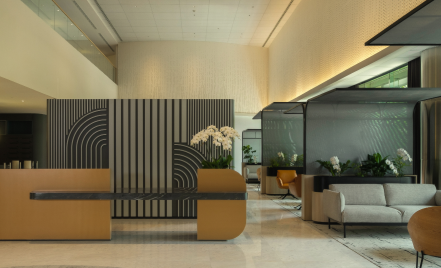
For teams moving to private office in Sudirman, Flow Office Space cuts many setup tasks. The offices are ready to use, with layouts that fit small teams, growing teams, and project groups. Flow staff help with room booking, reception support, mail handling, pantry access, and daily questions during move-in week.
Flow sits inside Midplaza, a short walk from Setiabudi MRT Station. The space carries AYANA-style service and polished design across two floors, with communal areas, a cafe, and light-filled private offices. Make your move easier with Flow Office Space in SCBD Sudirman. Choose ready-to-use private offices or flexible coworking seats, then let the team help your employees settle. Navigate to Flow and book a tour today.